

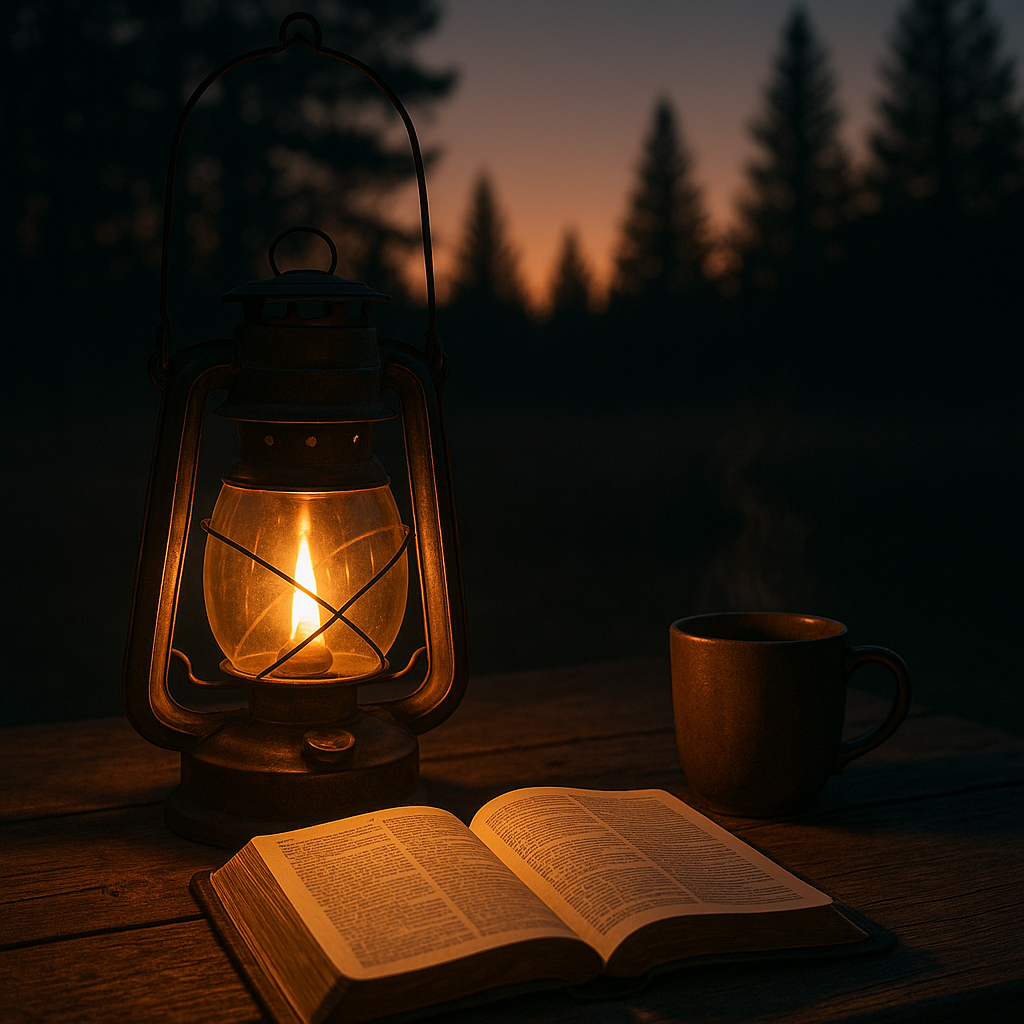
Every story begins with a spark. Sometimes it’s a fleeting image, a whisper of a character, or a question that won’t let you go. Writing a novel can feel overwhelming—like staring into a dark forest with no clear trail—but that’s where the lantern comes in. Step by step, word by word, the path begins to light itself.
Where Inspiration Hides
Inspiration doesn’t always shout. More often, it whispers. It lives in the hush of pine trees, in the way an old house leans into time, in the laughter that hides a wound. Sometimes, it’s born from your own story—your scars, your healing, your memories.
I’ve learned to listen closely. I jot down fragments: a phrase, a scene, a dream. Inspiration isn’t lightning—it’s seed. And if you water it, it grows.
Shaping the Arc and Plot
Think of a story arc as the heartbeat of your novel. It’s not just about what happens—it’s about who your characters become.
- The Beginning introduces us to who they are.
- The Middle tests them, stretching their fears, their flaws, and their faith.
- The End shows us who they’ve become because of what they’ve endured.
Plot is the map. Arc is the compass. Both matter, but transformation is what lingers.
Building Characters That Breathe
Characters are not pawns you move across a board—they’re people, with secrets, contradictions, and longings. I shape mine in layers:
- What the world sees.
- What they’re afraid to admit.
- What drives them when no one’s watching.
And then I place them in situations that press against those layers until they break—or bloom. That’s where real story begins.
The Thread of Emotion
You can write the most beautiful setting or the most intricate plot, but if readers don’t feel, they won’t stay. Emotion is the thread that weaves readers into your story. It’s in the details: the trembling hand, the silence after an argument, the way hope flickers in the darkest night.
Don’t shy away from it. Let your characters feel fully. Let them fall apart, fall in love, rage, weep, heal. Those moments are what readers remember long after the last page.
How I Write My Books
For me, writing always begins with voice. Sometimes a character speaks to me before I know their story. Other times, the land itself—the pine woods, the coast, the quiet of a forgotten town—tells me there’s a story waiting to be found.
I write with outlines, yes, but I leave room for the unexpected. My stories are layered with emotion because I draw from my own journey—times of silence, times of redemption, times of love found in the ashes.
That’s the heart of my writing: stories that stay, because they’re written from places that stay with me.
Final Lantern Thought:
Writing a novel isn’t about perfection. It’s about persistence. About picking up the pen and daring to believe the story in you matters. The path ahead may look dark, but trust me—the lantern light is enough to take the next step.
And if you keep stepping, one day you’ll look back and realize—you’ve written a book.
✨ Pull up a chair. Let the lantern light remind you: your story is waiting.
September 22, 2025
amanda woodruff


comments